

The Surging Tide of Venture Capital in Post-Pandemic India
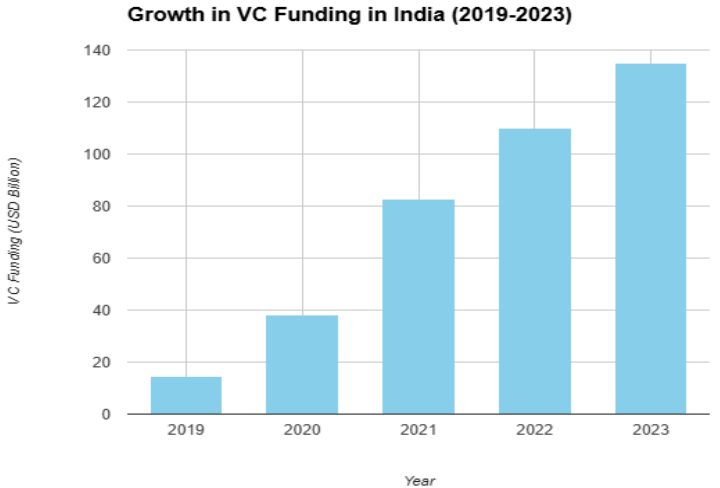
India's venture capital (VC) landscape has experienced a remarkable resurgence following the COVID-19 pandemic, solidifying its position as a global startup hub. The convergence of several factors, including digital transformation, government initiatives, and increased investor interest, has fueled this growth.
This article explores the key drivers of this phenomenon and its implications for India's economic future.
Digital Acceleration and Innovation
The pandemic accelerated the adoption of digital technologies across industries, creating a fertile ground for innovative startups. E-commerce, fintech, healthcare technology, and education technology emerged as particularly attractive sectors for VC investment. These startups, demonstrating resilience and growth potential, became prime targets for venture capital firms.
Increased Global Investor Interest
Over the years, the role of an investment fund has drastically changed, from being just a source of earning passive income to now being a catalyst for innovation, streamlining operations, and injecting market dynamism. Given that the primary goal of a PE investment is to make a profitable exit, their involvement in company operations has now increased.
India's vast market, favourable regulatory environment, and burgeoning startup ecosystem have attracted significant global capital. Foreign investors, drawn by the potential for high returns, have been actively investing in Indian startups. This influx of foreign capital has not only provided crucial funding but has also brought valuable international expertise and networks to the Indian startup ecosystem.
Domestic Capital Infusion
Indian industrialists, recognizing the disruptive potential of startups, have also been investing in venture capital funds or launching their own venture capital arms. This trend has significantly expanded the pool of available capital and introduced valuable industry knowledge and connections to the startup landscape.
The Geographical Shift
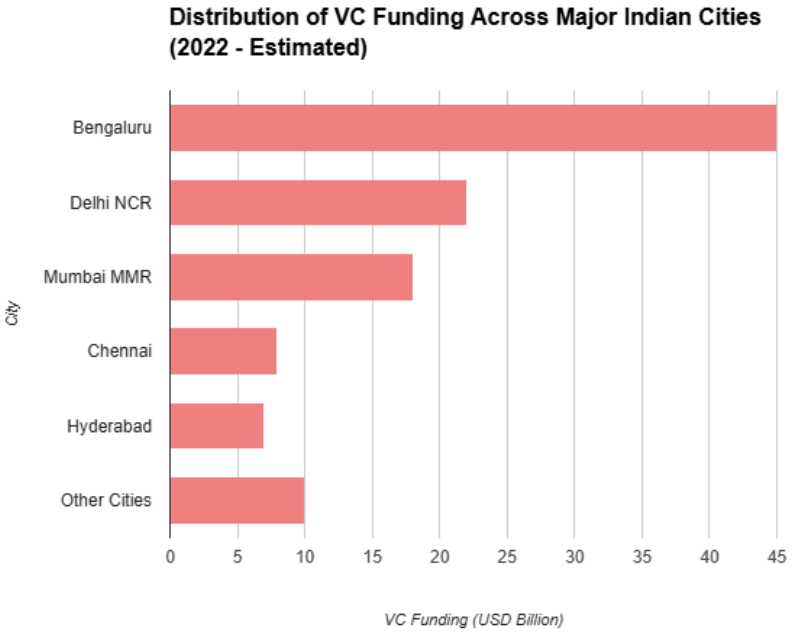
While Bangalore continues to be the Silicon Valley of India drawing in major investments across industries, Delhi & Mumbai follow the lead. It is noteworthy that Investors interest has started to grow beyond the metropolitans and into tier 2 cities, rather significantly in the post covid era.
Government Support and Policy Initiatives
The Indian government has played a pivotal role in fostering the growth of the VC ecosystem. Initiatives such as the Startup India program have provided tax benefits, mentorship, and funding support to startups. Additionally, the government's focus on digital transformation and infrastructure development has created a conducive environment for young entrepreneurs and startups to thrive.
Data-Driven Insights
To quantify the growth of VC funding in India, let's examine some key data points:
- Total VC Investments: According to [Source, e.g., Indian Private Equity and Venture Capital Association (IVCA)], total VC investments in India have witnessed a substantial increase in recent years. For example, in [Year], VC investments reached [Amount] billion USD, representing a [Percentage] growth compared to the previous year.
- Deal Size: The average deal size has also been on the rise, indicating that VC investors are making larger bets on promising startups. This trend reflects increased investor confidence and the potential for substantial returns.
- Sector-Wise Trends: While technology startups continue to dominate the VC landscape, there has been a growing focus on sectors such as healthcare, agriculture, and logistics. This diversification reflects the evolving needs of the Indian economy and the potential for innovation in these areas.
Challenges and Future Prospects
Despite the positive trends, the Indian VC market faces certain challenges, including a lack of experienced talent in the VC industry, regulatory complexities, and exit challenges. However, these challenges also present opportunities for growth. By addressing these issues and leveraging the country's unique strengths, India can further solidify its position as a global VC hub.
The future of VC in India looks promising. As the country continues to embrace digital innovation and economic growth, the demand for VC funding is expected to remain strong. The government's ongoing efforts to improve the regulatory environment and foster entrepreneurship will further fuel the growth of the VC ecosystem.
Emerging Trends Shaping the Future of VC in India
Impact Investing
There is a growing interest in impact investing, where VC funds focus on startups that address social and environmental challenges. This trend aligns with India's commitment to sustainable development and offers opportunities for VC firms to invest in socially responsible businesses.
Cross-Border Investments
Indian startups are increasingly expanding their operations into international markets, leading to cross-border VC investments. This trend can help Indian startups access larger markets and attract global capital.
Technology Trends
Emerging technologies such as artificial intelligence, blockchain, and the Internet of Things are creating new investment opportunities. VC firms are actively exploring these areas to identify the next wave of innovative startups.
A Bright Future for Venture Capital in India
It is important to note that the venture capital landscape in India is dynamically evolving. By addressing the challenges and capitalizing on the opportunities, India can continue to attract global capital and foster a thriving startup ecosystem. The future of VC in India looks bright, with the potential to drive economic growth and innovation for years to come.
Horizontal Mergers
A horizontal merger occurs when two companies operating in the same industry and at the same level of the supply chain combine. For instance, the merger of two rival automobile manufacturers or two competing grocery chains would fall under this category. The primary objectives of horizontal mergers are:- Market Expansion: By combining forces, companies can gain access to a larger customer base and expand their geographical reach.
- Increased Market Share: Mergers can significantly boost a company’s market share, making it a dominant player in the industry.
- Economies of Scale: Combining operations can lead to cost reductions through shared resources, improved purchasing power, and enhanced production efficiencies.
- Competitive Advantage: By eliminating a competitor, horizontal mergers can create a more favourable competitive landscape.
- Acquisition of ASDA (2000): Walmart’s entry into the UK market was facilitated by acquiring ASDA, a leading British supermarket chain. This move strengthened Walmart’s international presence and expanded its customer base.
- Merger with Flipkart (2018): Walmart’s acquisition of Flipkart, India’s largest e-commerce platform, was a strategic move to gain a foothold in the rapidly growing Indian market. This merger combined Walmart’s vast retail experience with Flipkart’s e-commerce expertise.
Vertical Mergers
A vertical merger involves the combination of two companies operating at different levels of the supply chain. For example, a merger between a steel manufacturer and an automobile manufacturer would be considered vertical. The main goals of vertical mergers are:- Supply Chain Control: By acquiring companies upstream or downstream, businesses can gain greater control over their supply chain, ensuring a steady flow of raw materials and distribution channels.
- Cost Reduction: Vertical integration can lead to cost savings by eliminating intermediaries and streamlining operations.
- Product Differentiation: By controlling various stages of production, companies can differentiate their products and offer unique value propositions.
- Reduced Risk: Vertical integration can mitigate risks associated with fluctuations in raw material prices or distribution bottlenecks.
- Growing Importance of India: India was emerging as one of the world’s fastest-growing automobile markets, making it a critical long-term investment destination for global manufacturers.
- Rising Development Costs: The transition toward electric vehicles, hybrid technology, and stricter emission regulations required substantial investments in research and development.
- Need for Scale: Increasing competition from domestic and international automakers made economies of scale more important than ever.
- Changing Consumer Preferences: Demand was shifting toward compact SUVs, fuel-efficient vehicles, and technologically advanced products.
- Toyota had expertise in hybrid technology, manufacturing systems, and quality management.
- Suzuki possessed deep knowledge of Indian consumer preferences, an extensive dealership network, and leadership in the affordable vehicle segment.